CRM for Nigeria's payments backbone
NIBSS · Product Designer, at SBSC · 2020–2021
- Scope
- Research, flows, wireframes, design system, prototype, testing
- Team
- Designers, PM, business analysts at SBSC
- Client
- NIBSS
Outcomes
- ~14%
- more lead-to-deal conversions
- 13
- interviews
- 9
- users in testing
Discovery
Thirteen interviews with relationship managers, business developers and directors. The multi-window workflow across Excel, phone and mail was slowing lead-to-deal conversion, and campaign performance was unmeasurable.
NIBSS built the infrastructure the country's finance sector runs on, so the volume of transactions, clients, deals and activity to monitor is high. They could see transactions and clients but not how many opportunities became deals, or whether sales effort yielded anything. Teams found a customer in a spreadsheet, copied the number to a phone to call, then searched a mail app to follow up; every lead's stage lived in someone's head.
We ran calls with the customer relationship, product, operations and technology teams and executive management, then thirteen interviews (three in person, ten online, 25 minutes on average). The key insight: with sales properly monitored in one system, the organisation estimated it could improve prospect-to-sales conversion by at least 30 percent year on year.

Define
How might we design a CRM that supports informed sales decisions while staying streamlined, with the right balance of information and interaction with prospects?
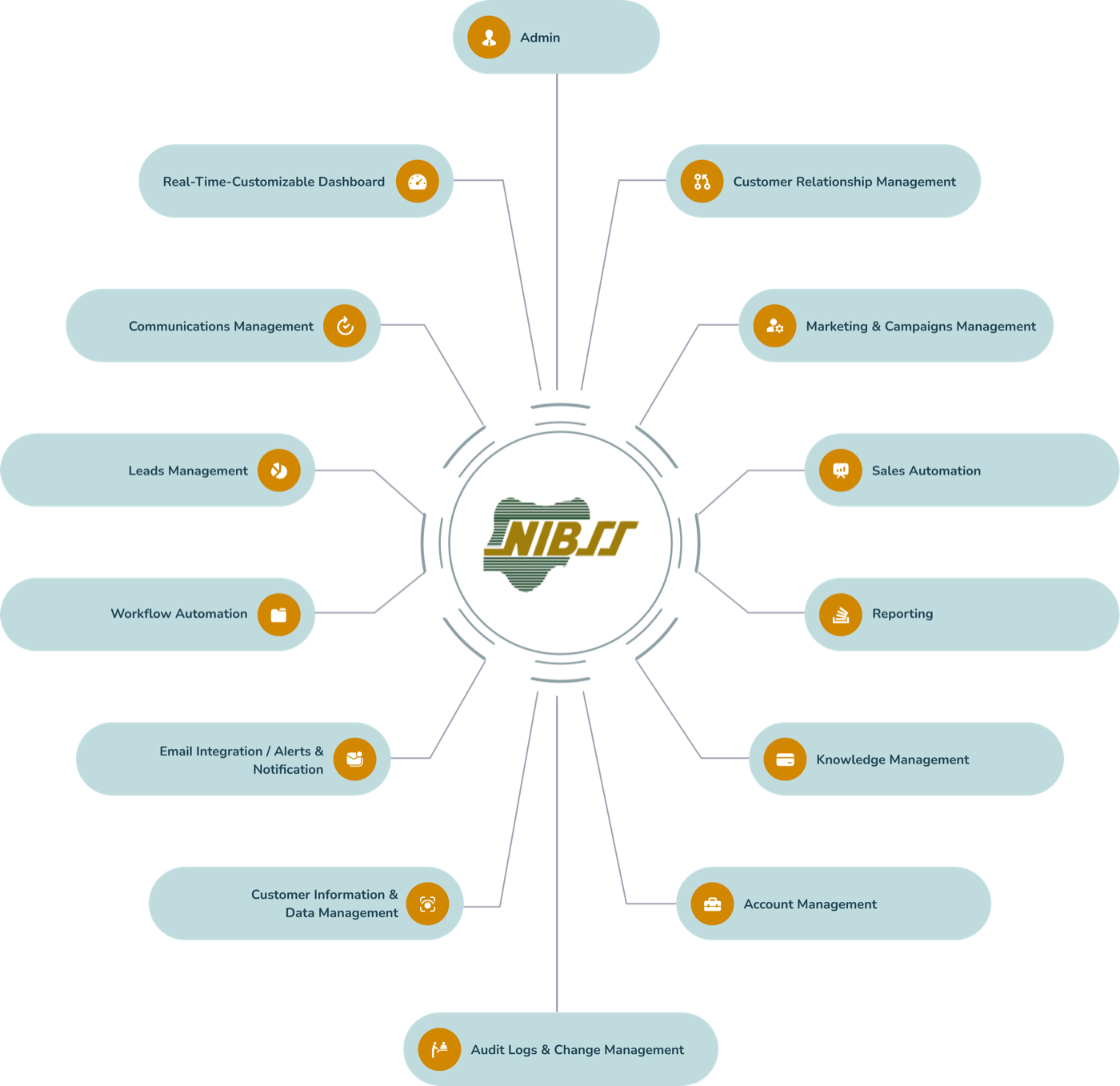
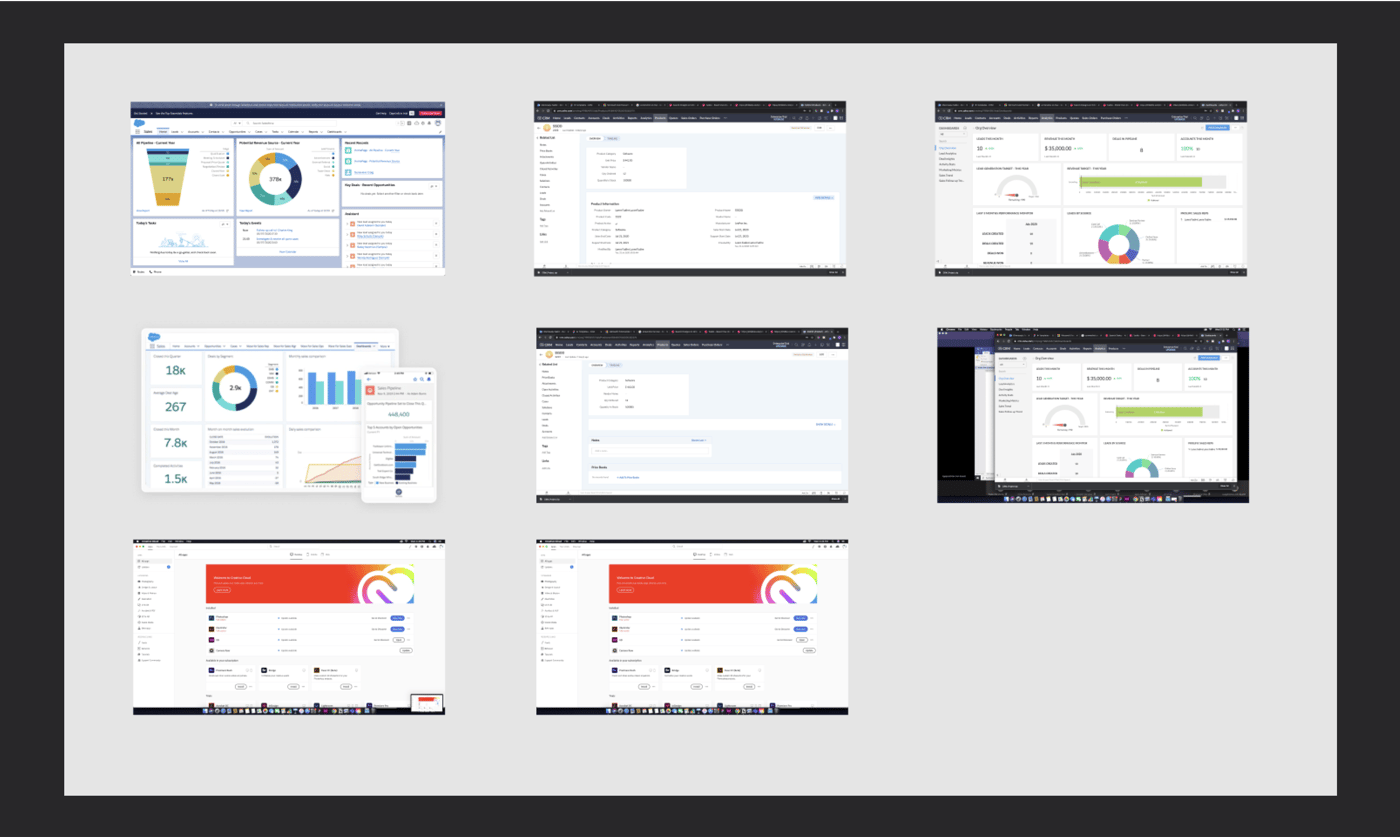
Business developers wanted to simplify and automate the sales cycle (mass upload, fast-track conversion); relationship managers wanted simpler client monitoring; finance wanted income and billing in one place; management wanted less redundancy, better permissions and more engaged staff. A moodboard drawn from Zoho, Salesforce, HubSpot and Adobe Creative Cloud kept the patterns familiar so nobody had to relearn what a CRM is.
Design
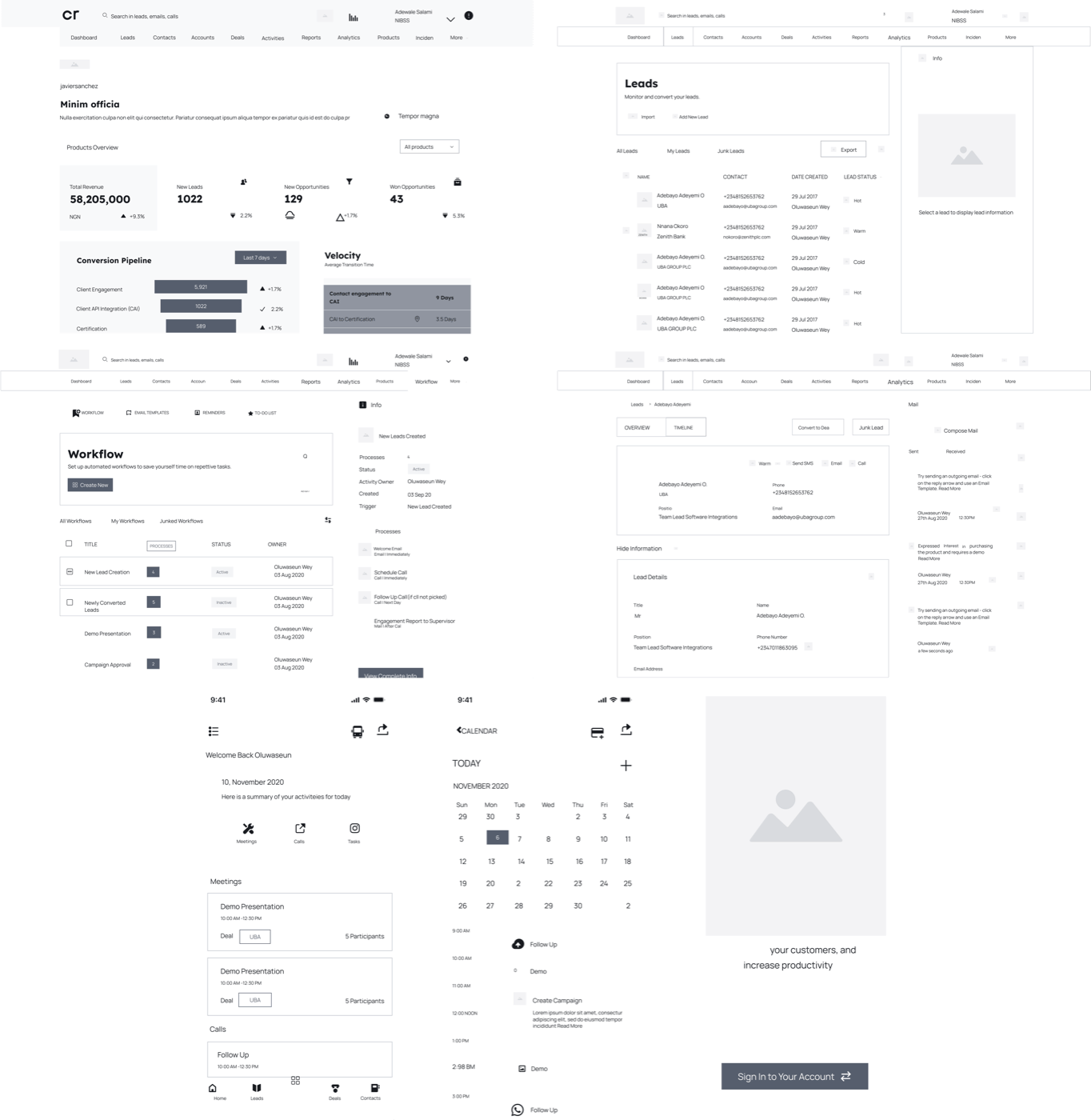
Iterative usability sessions with primary users, then the core flows: sign in, add a lead or opportunity, leads management and the sales dashboard.
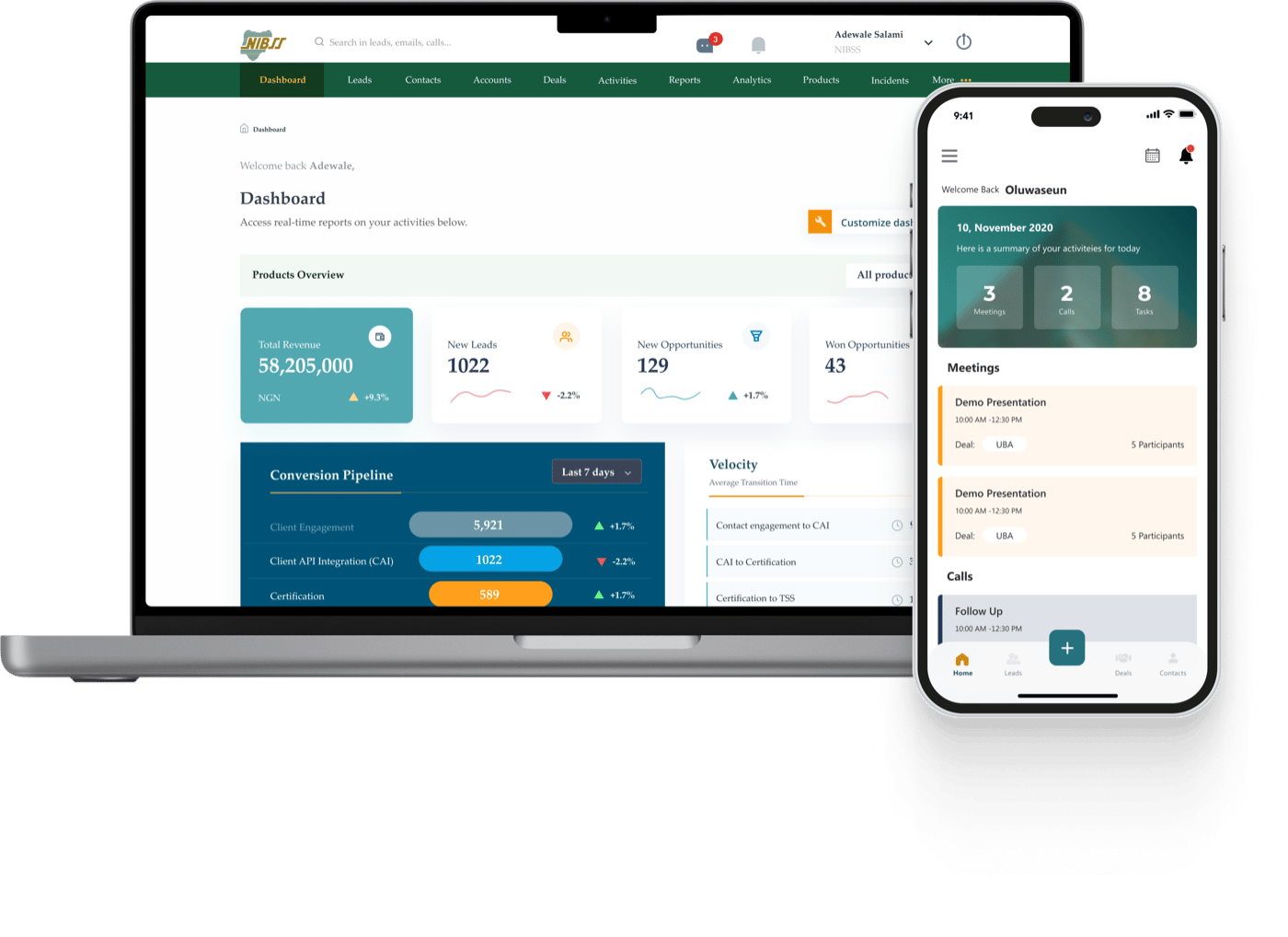
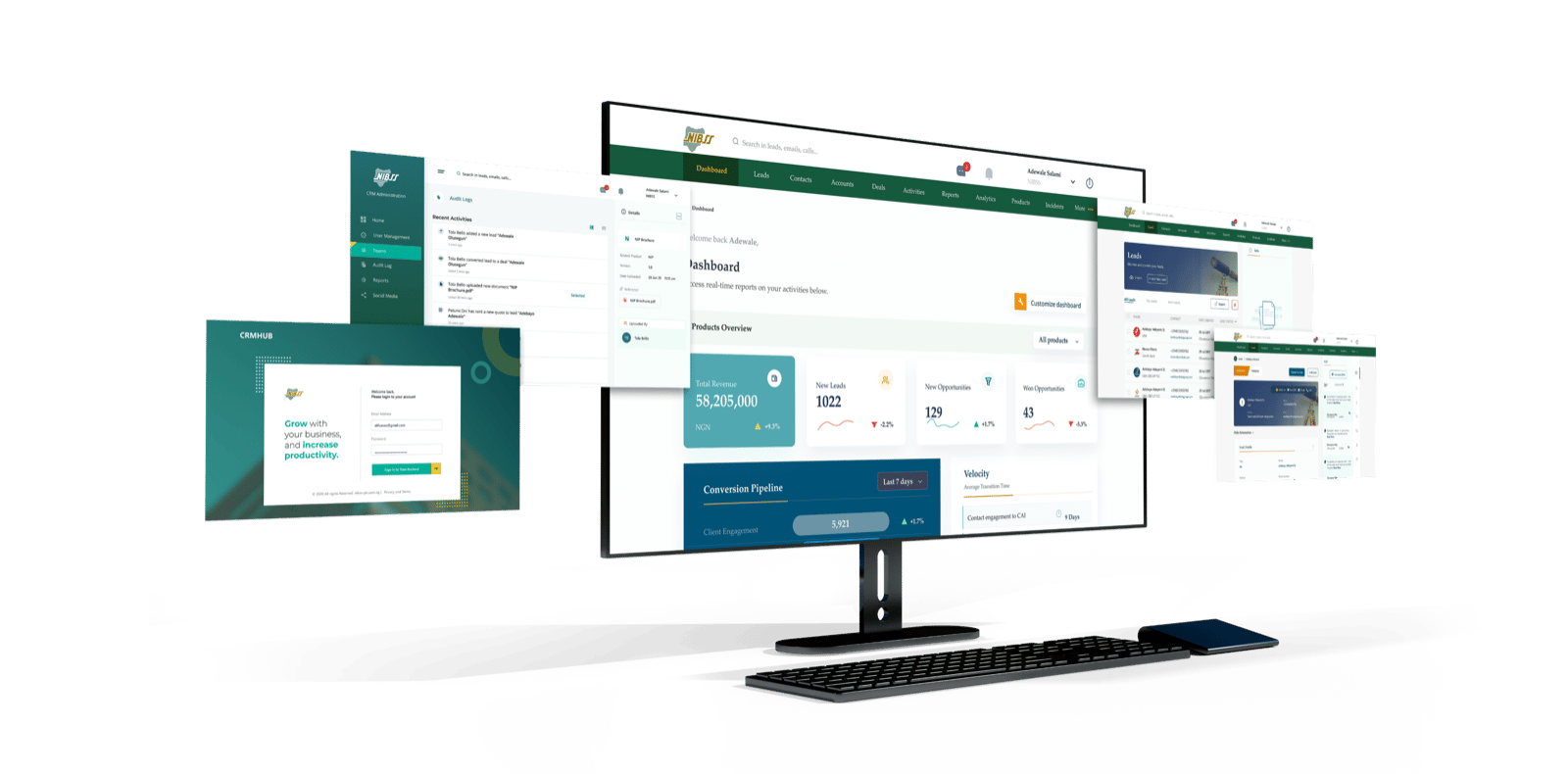
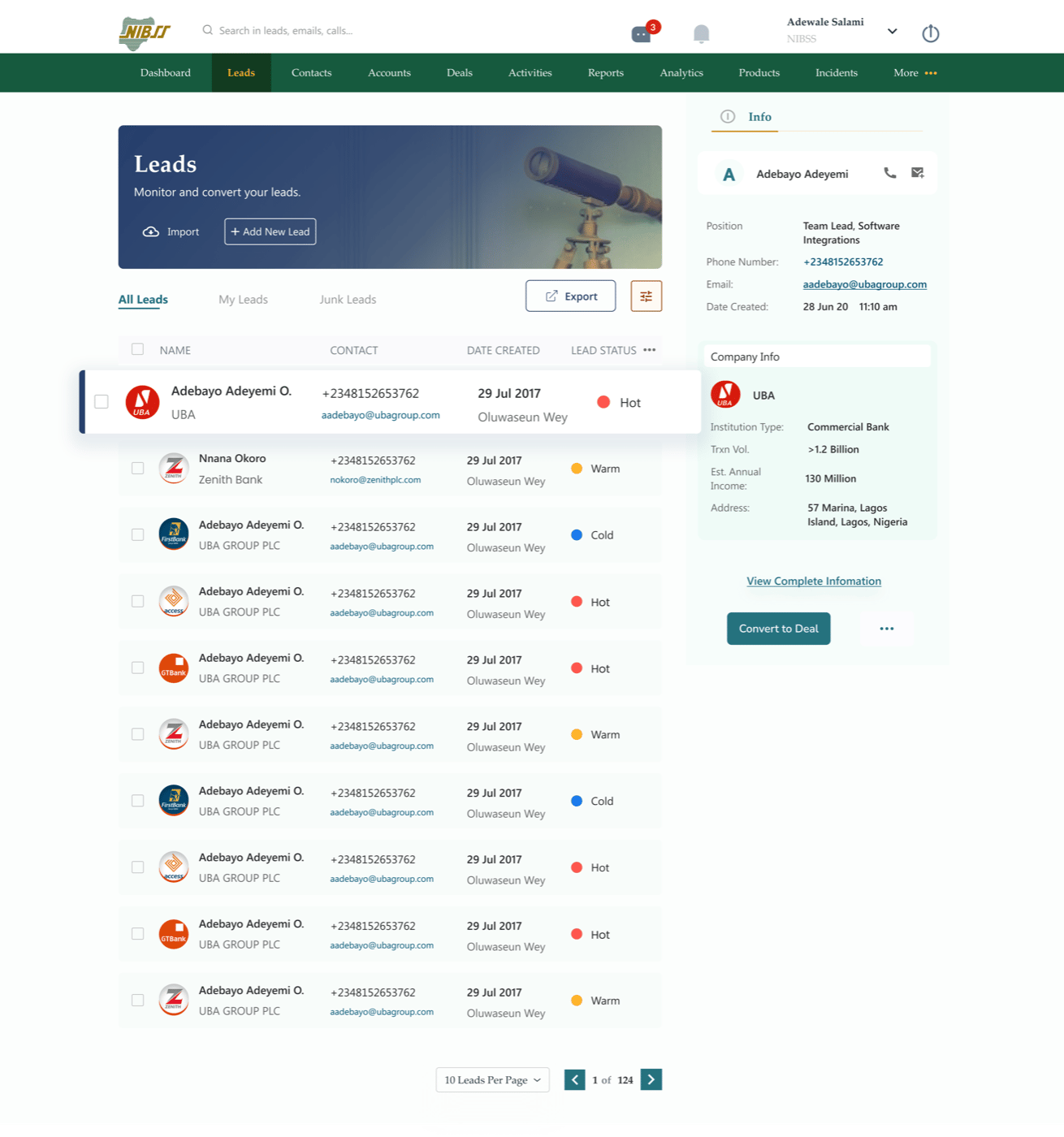
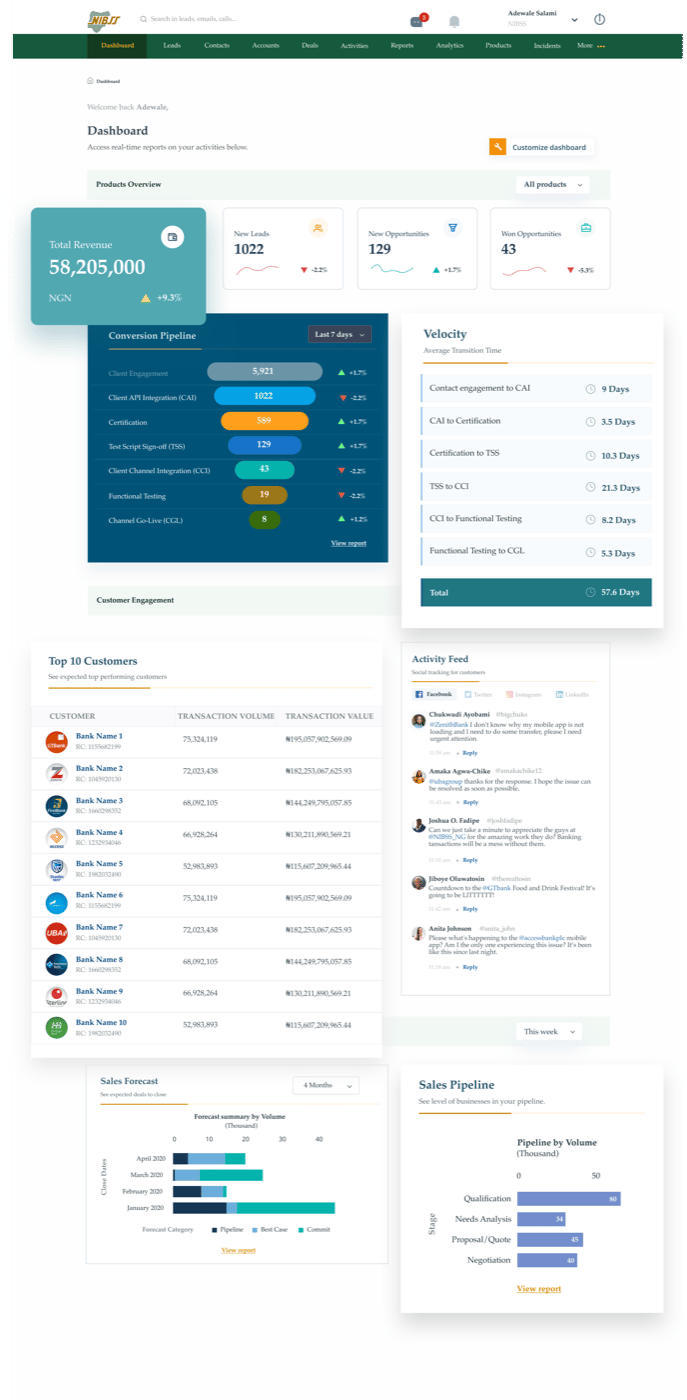
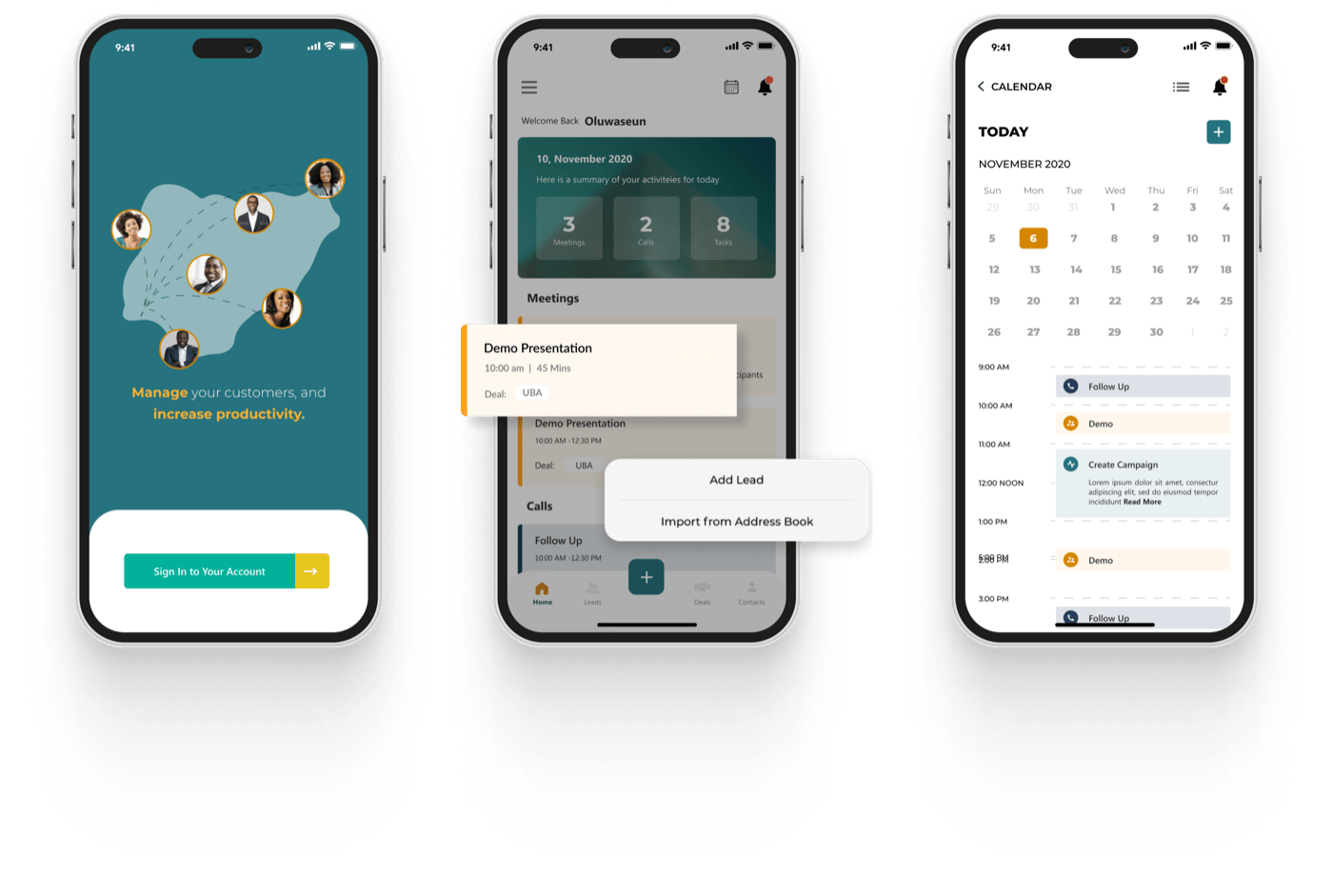
The leads list shows status at a glance (hot, warm, cold), with a detail panel for company information and a Convert to Deal action. The dashboard reports revenue, new leads, opportunities and won deals, the conversion pipeline by stage, velocity between stages, top customers and the activity feed. A companion mobile app covers the day: meetings, calls, tasks and the calendar.
Results
One round of testing with nine users found the experience simple to use and the sales cycle noticeably faster on new leads; in production the tool lifted lead-to-deal conversions by about 14 percent.
Testers were pleased with the screens and found the flow easy; the tool automated their sales processes and gave the firm an up-to-date directory of clients, so nobody merged spreadsheets to find the latest information. The lesson I took from it: concentrate on the problem and don't get caught up in the intricacies. Some details in this study are adjusted or withheld for client privacy.